Things to know about AI recruiting software

Things to know about AI recruiting software

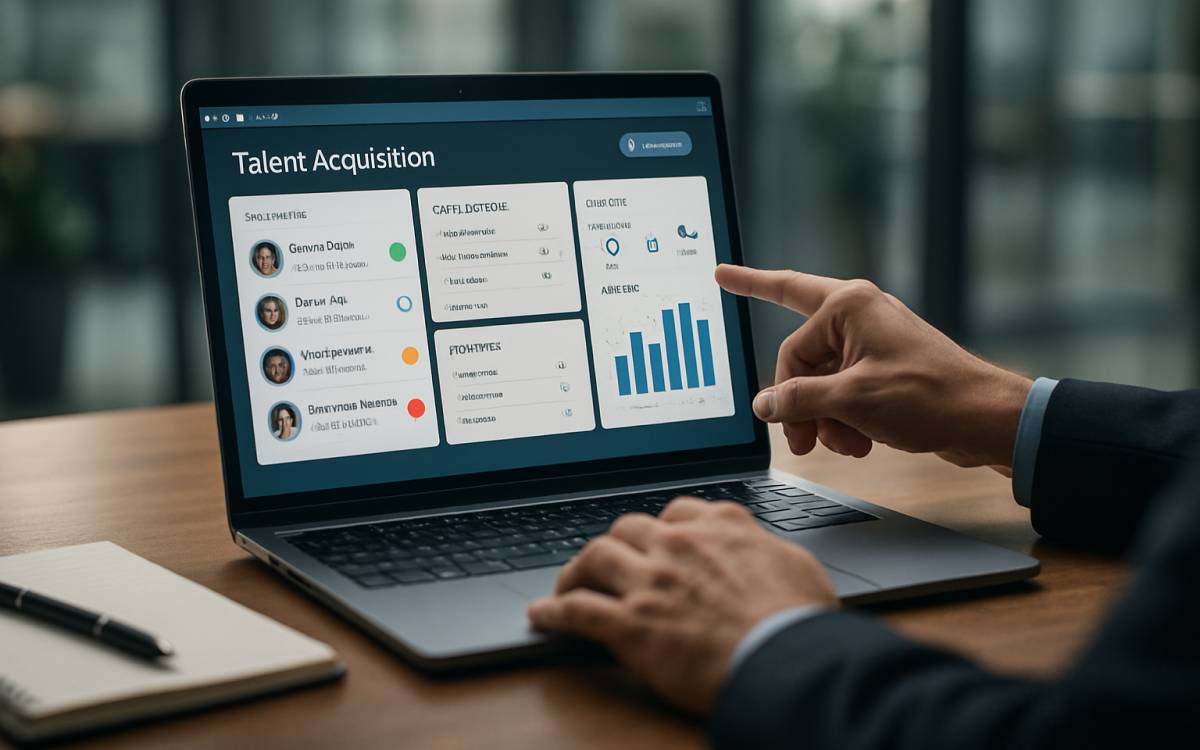
The hiring process has undergone a massive change over the last few years. Many organizations across the world have moved from using physical files to operating cloud-based recruiting platforms on computers. Some have even taken a step further by introducing AI recruiting systems in the workspace. This is the latest software with built-in AI that helps hiring managers with tasks like sourcing, screening, and communication, saving a lot of time.

What is an AI recruiter?

AI recruiters are digital tools that use automation and machine learning to help hiring managers with everyday processes, such as finding candidates, reviewing resumes, coordinating interviews, and sending follow-up messages. They also help organize information and automate repetitive tasks. However, unlike how it appears, AI recruitment solutions do not take over the entire hiring process. The final hiring decision remains in human hands.

Automated AI recruiters do not work as separate systems. Instead, they are connected to applicant tracking tools, calendars, email, and work chat apps that organizations already use. The AI hiring tools are designed to fit into the organization’s existing digital workflows, making recruiting more seamless and streamlined.

How do AI recruitment solutions help?

Workspace AI recruiting systems support numerous aspects of the hiring process, which helps the organization in several ways.

Smarter sourcing and talent discovery

AI recruiting tools scan job boards, internal databases, and professional profiles to find candidates who have the skills and experience that match open roles. The best AI recruiter platforms also help rediscover applicants from previous searches, creating a reusable pool of talent rather than starting over for every new position.

Faster screening and shortlisting

Many AI systems use resume parsing and scoring to compare candidate details with job requirements. They then create shortlists, which a human recruiter can quickly review. This helps manage large volumes of applications and filter out candidates who do not meet the required criteria.

Insights and reporting

The dashboards of most AI recruiting platforms track metrics, such as time-to-fill, a candidate’s performance on different sourcing channels, and how they have moved through stages. Using these reports, HR teams can refine job postings, adjust their outreach strategies, and improve interview processes.

Streamlined communication and scheduling

The top AI hiring assistant software can send status updates and reminders and reply to common candidate questions through email, text, or chat channels. They can also check meeting calendars, suggest available interview time slots, and update interview invitations.

Types of AI recruiter platforms and tools

AI recruiter tools for workspaces can be classified into different types. Each type differs based on how many stages of the hiring process it handles and how well it works with the other workspace applications already in use.

End-to-end AI recruiting platforms

Platforms like SmartRecruiters and Workable are end-to-end recruiting platforms. What this means is that they help with all the tasks involved in hiring. End-to-end platforms offer features, such as applicant tracking, candidate relationship management, sourcing, and analytics through a single system. Also, they have a single, well-organized dashboard to track the entire process and keep hiring data organized. 

Sourcing and outreach tools

Tools like hireEZ, Gem, and SeekOut find potential candidates by scanning social networks, external databases, job boards, and existing talent pools using AI. They do this by analyzing keywords and the applicant’s skills and experience to suggest matches that may not appear in a standard search.

AI hiring assistants and chat-based tools

Tools like Paradox and HireVue are better for streamlining communication between the candidates and the hiring team. They screen questions, send automatic replies, and post status updates through chat or SMS. Some chat-based tools also guide candidates through basic application steps and record important information before a recruiter steps in. 

Recent Articles

5 AI tools for HR teams and professionals

5 AI tools for HR teams and professionals

Business & Finance
The traditional human resources operations are currently undergoing a massive digital transformation. HR departments across sectors and enterprises are looking to integrate artificial intelligence tools into their operations to improve efficiency. Businesses have shifted their focus from basic automation tools toward smarter, more integrated management systems. Today, various AI HR tools help uncover workforce insights, automate routine tasks, conduct basic interviews, etc. Leveraging such tools helps human resource professionals work more effectively, faster, and smarter. Lattice Lattice provides a unified platform that integrates employee engagement, growth, and feedback to help professionals drive performance. The tool makes it easier for managers and employees to stay informed about projects, policies, and other essential information. Lattice empowers leadership teams to track performance, strengthen work culture, and improve retention. The AI platform also provides development plans, live engagement insights, and structured feedback loops that remain accessible beyond the appraisal cycle. Performance reviews are easier with Lattice’s AI-supported prompts and the analytics it provides for department- or team-level trends. Based on the features used and team requirements, the platform’s cost may start from $11 per person per month.  HR Acuity HR Acuity makes it easier for HR teams to maintain employee relations and conduct thorough workplace investigations.
5 popular marketing agencies

5 popular marketing agencies

Business & Finance
Every business needs a proven marketing strategy. Over time, successful marketing can help a business widen its audience, scale its operations, and ultimately make more money. A business can either handle its marketing in-house or outsource the job to an agency. While in-house marketing is a cost-effective solution, hiring the services of one of the top marketing agencies is often recommended because they have years of expertise and specialized skills. Disruptive Advertising Performance marketing is a type of marketing in which businesses pay agencies only when a specific action, such as a sale or a click, is completed. It is a sought-after marketing approach that delivers quick, measurable results, evaluated in real time. Businesses use this strategy to meet aggressive, short-term targets, such as generating leads, driving sales during a festive period, or achieving conversions. Disruptive Advertising is a renowned performance marketing company specializing in paid media management and conversion rate optimization. It offers PPC (pay-per-click) advertising, social media advertising, analytics and tracking, and creative design and development, among other services. This agency is known for its transparent reporting and laser-like focus on ROI. Its clientele ranges from startups to enterprise brands. Ignite Visibility Ignite Visibility is a tried-and-tested name in digital and performance marketing that specializes in search engine optimization (SEO), content marketing, and paid media management.
Top 4 tips to improve customer service

Top 4 tips to improve customer service

Business & Finance
Customer service affects every aspect of a consumer’s journey, from the first question they ask regarding the business to the follow-up service after a sale. Trust is built when the service offered by the business feels steady and reliable, and ensures customers keep coming back. So, to provide good customer service, businesses must equip their support staff with the skills to handle customer inquiries, such as asking questions calmly, communicating clearly to avoid confusion, offering convenient ways to get help, and collecting feedback that leads to improvements. Build strong service skills To develop strong service skills, support staff need to have empathy, patience, and active listening in every interaction. Building these habits can help the team understand concerns clearly and respond to customers calmly.   For this, real-life scenarios and role-plays in team meetings can be useful practice tools. Short exercises can also be given. This can include common situations staff encounter with customers. Trainers or mentors can test responses, which can help customer service support staff respond better while building confidence.    Mentors can also provide ongoing coaching to help support staff sharpen their customer service skills regularly. Additionally, giving regular feedback can be useful for continuous improvement. The team can share success stories and tough cases to help everyone learn better ways to improve future customer interactions.