6 essential office furniture items for a productive workspace
Business & Finance
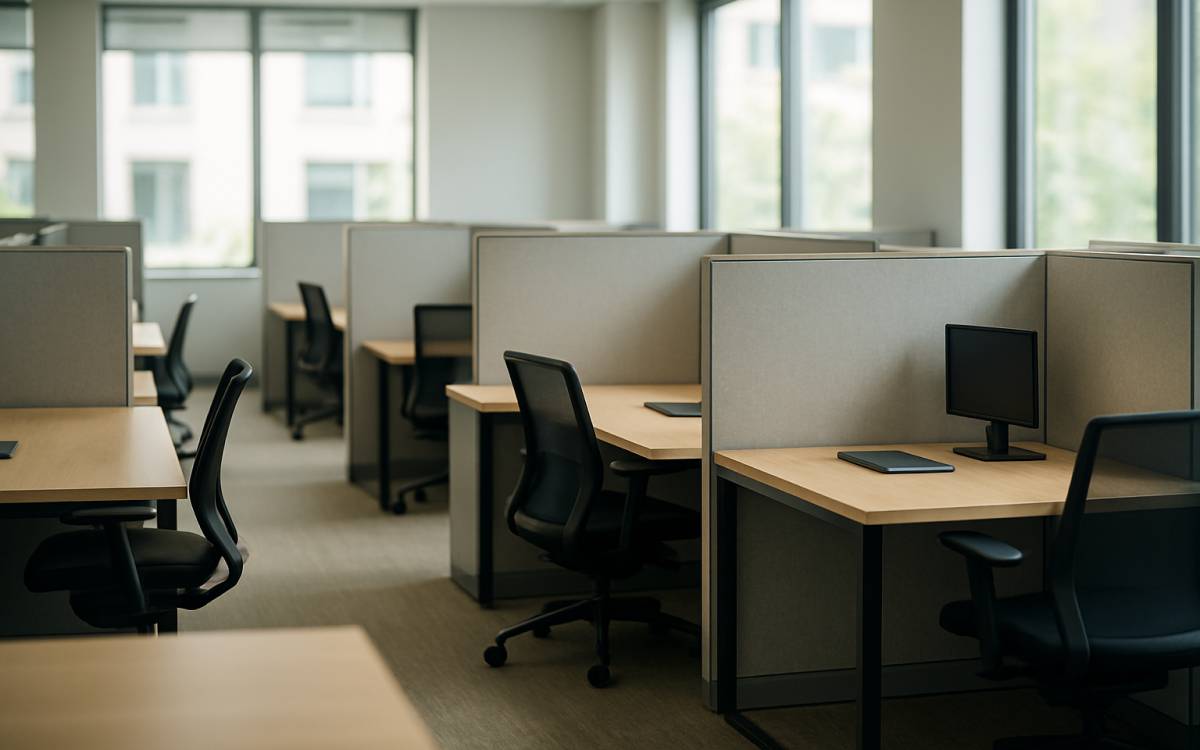
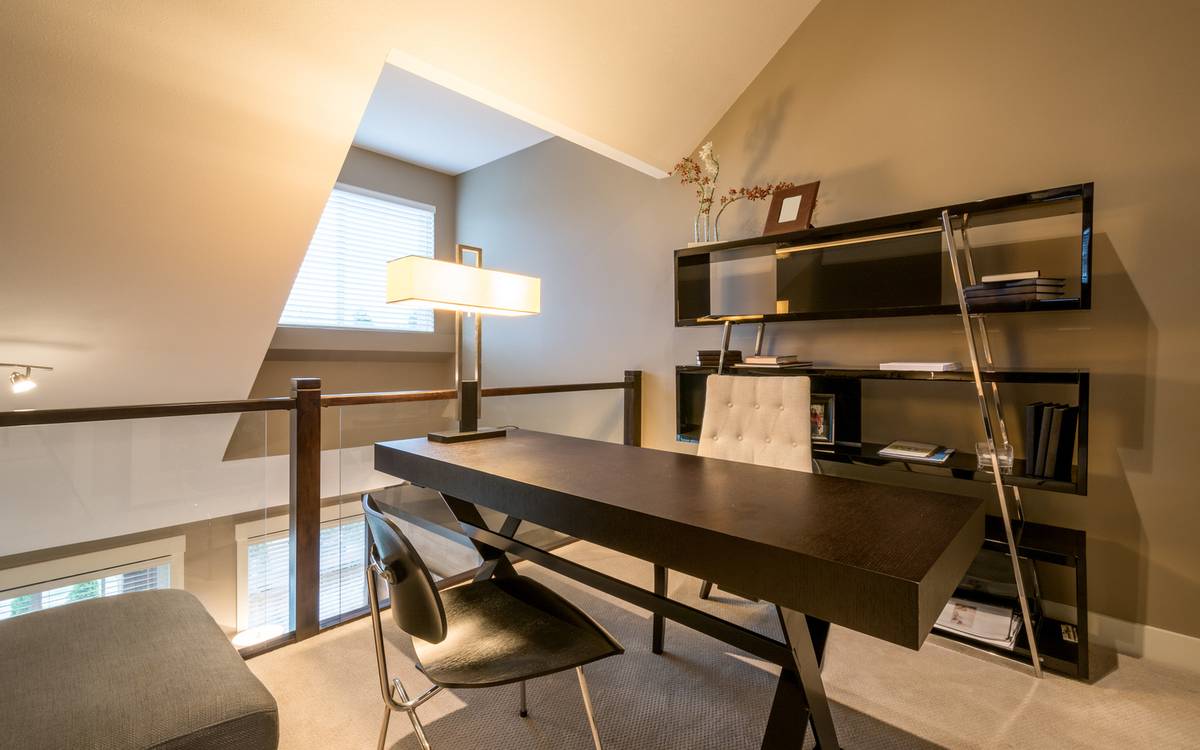
The furnishings of a workplace significantly contribute to its tone, mood, and functionality. Certain essential office furniture items help keep employees comfortable while they work. By creating a relaxed work environment, the right office furniture can directly enhance employee productivity, which in turn, benefits a business’s profitability. Must-have office furniture pieces, such as height-adjustable desks, ergonomic and adjustable chairs, and file cabinets, are essential not only for supporting physical wellness but also for promoting productivity. Height-adjustable desks As the name suggests, these desks feature an electric height-adjustment mechanism that raises or lowers the work desk with minimal effort. These types of desks allow workers to alternate between sitting and standing without disrupting their workflow throughout the day. This flexibility promotes better posture and helps reduce the health risks associated with prolonged sitting. Additionally, physical discomfort often distracts workers, which in turn affects their productivity. This is why users can reduce distraction, fatigue, and boredom that come with working in the same position for 8 to 9 hours by using these desks at their workstations. Ergonomic and adjustable chairs A comfortable swivel chair is an essential ergonomic office furniture item that can be used in any workplace. These chairs promote good posture and reduce the risk of work-related sprains, dislocations, and injuries.